House Painting Carlsbad, CA

Crew-side notes on reading and comparing house painting bids in Carlsbad, CA: scope, prep, coats, schedule, warranty and approval paperwork.
What We Cover
- Number of Coats and Product Specs in a Painting Bid Why a bid should name the primer, the finish product, the sheen and the number of coats for each surface.
- How a Painting Schedule and Weather Clause Should Read What start dates, daily sequence and fog or rain delay terms belong in a written bid for a Carlsbad house.
- Permits and HOA Approval Paperwork Before Painting in Carlsbad Which approvals and color submittals to sort out before a crew starts, especially in master-planned communities like Aviara.
- Prep Line Items to Look For in a Carlsbad Stucco Painting Bid How to read the prep section of a bid for stucco homes: washing, crack repair, caulking, masking and priming.
- Warranty Terms and Change Orders in a Painting Contract How to compare warranty wording and the change order process before signing a house painting agreement.
- What a Written House Painting Scope Should List in Carlsbad The line items a painting bid should spell out, from surfaces and rooms to colors, sheen and what is left unpainted.
House Painting Carlsbad, CA
House painting in Carlsbad, CA starts long before a brush touches a wall. The crew walks the house, taps the stucco, probes the fascia boards with a screwdriver and checks the caulk lines. Out of that walk comes a written scope, and the quality of that paper tells a homeowner more about a painting job than any color chip.
Why the paper matters here
Carlsbad houses vary a lot. The northwest has 1950s cottages and bungalows with old wood trim and many layers of paint. The 1960s ranch homes carry stucco with hairline cracks and wide eaves. Newer master-planned streets in Aviara, La Costa and Bressi Ranch have tighter finishes, plus an association that may want a color form filed before anything starts. Each of these needs different prep, and a bid should say which.
Coast, fog and rain
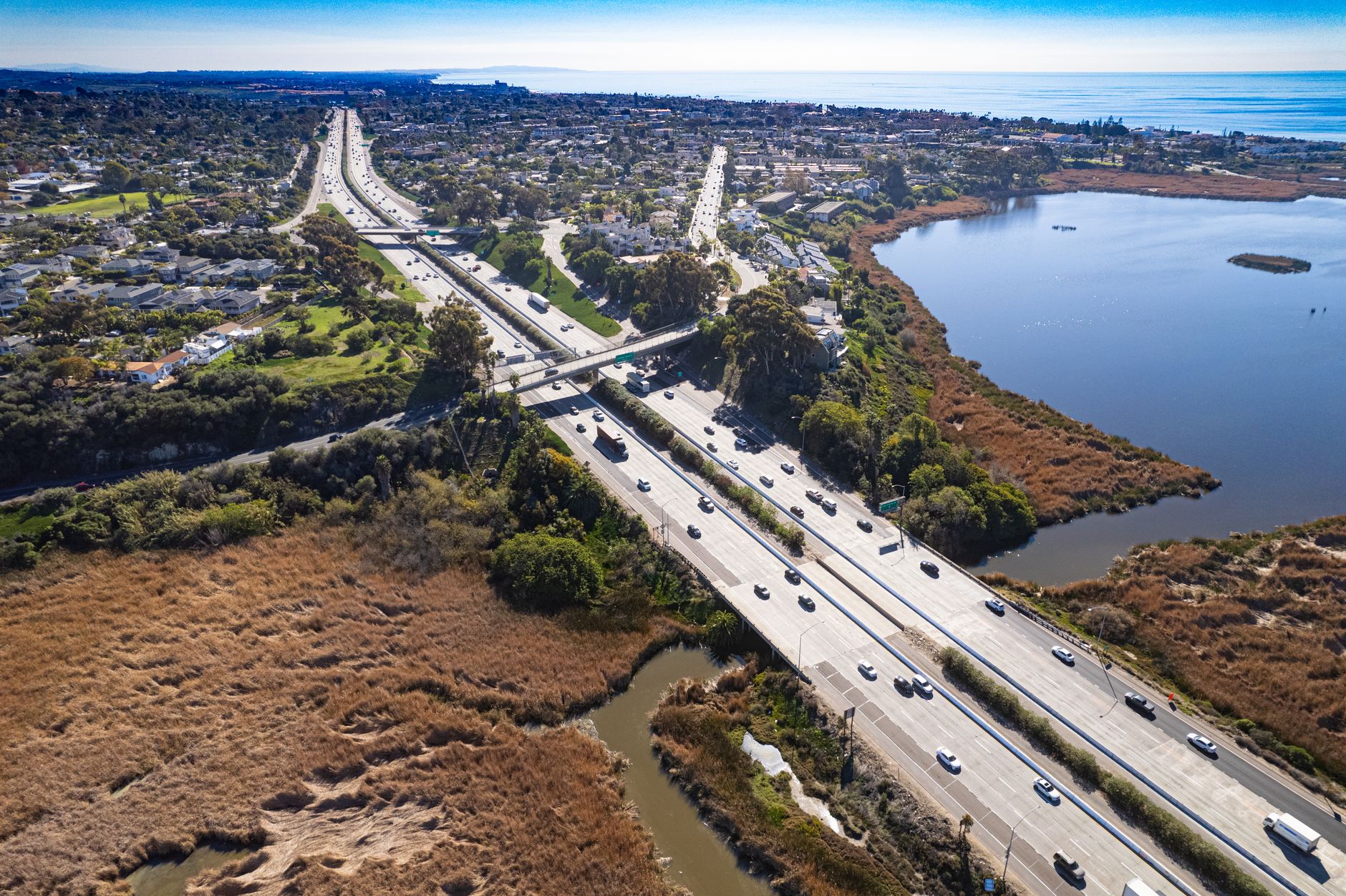
The city sits on San Diego County's coast, with Carlsbad State Beach on one side and Agua Hedionda Lagoon, Batiquitos Lagoon and Buena Vista Lagoon close behind. Most days are sunny, but summer mornings bring marine fog that leaves walls damp until late in the day, and the rain arrives in a short winter season. Painters plan around both, and a good schedule says how fog and rain days are handled.
What a crew puts in writing
A solid bid names every surface, the prep for each, the primer and finish products, the number of coats, the sheen and the colors by code. It lays out a start and finish window with drying gaps, a warranty term, a change order step for hidden rot, and who files any approval paperwork. Comparing bids line by line is the plain way to see where one is thin.
Guides
The pages here cover reading a written scope, prep lines on stucco, coats and product specs, schedules and weather terms, warranty and change order wording, and approvals for planned communities. Each one is written from the crew's side of the job, in the order the work happens, with Carlsbad conditions in mind.
Latest Guides
How to Compare Three House Painting Bids Side by Side
2026-10-06
Three painting bids for one house rarely read alike. One runs a page and a half, one is a single paragraph, and one arrives as a spreadsheet. Setting them next to each other only works if they are translated into the same format first. The method below is the one a crew lead might use to turn three different documents into one grid, so that the differences become visible without any prices in the picture at all.
How do three bids go into one grid?
Take a sheet of paper or a spreadsheet and put the contractors across the top. Down the left side, list the categories every complete bid should address. Then read each bid and copy what it actually says into the cell, using the contractor's own words. Where the bid says nothing, write "silent" and leave it at that. The word silent is more useful than a guess.
Category What to copy from the bid What a thin answer looks like Surfaces covered Each surface named separately "Paint exterior" Prep steps Washing, crack patching, caulking, scraping, sanding, masking "Prep as needed" Primer Type and where it is used No mention Finish product Maker, line, base and sheen "Premium paint" Coats Number per surface "Full coverage" Schedule Start, finish, drying gaps, weather terms "About a week" Warranty Length, coverage, exclusions "Guaranteed" Change orders Written and signed before extra work No mention Approvals Who files HOA or other paperwork No mention Exclusions A written list No list The right-hand column is a reference, not a verdict. A short answer is sometimes fine for a small job. On a full exterior in Carlsbad, a one-word answer in most of these rows means the decision will be made later, by someone else, probably under time pressure.
Do all three bids describe the same house?
Before comparing quality, check that the three bids describe the same house. One may include the garage door and the eaves and another may leave them out. One may paint the fence. One may include a second coat on trim and another a single coat. If the scopes differ, the grid will show it, and the next step is to ask each contractor to price or describe the missing items so all three are working from the same list. Without that step, the comparison measures differences in what was included and not differences in how well it will be done.
Which rows deserve the closest reading?
Prep is the row where a bid can look complete and still be thin. On a stucco home near Agua Hedionda Lagoon, salt film and chalking are the baseline condition, so a bid that names washing, a chalk check and a bonding primer shows that the author has looked at coastal stucco before. On a 1960s ranch house, look for flexible crack patching and caulk replacement at trim joints. On a 1950s cottage in Olde Carlsbad, look for scraping, sanding and an allowance for wood repair.
When two bids list prep and one does not, do not assume the third crew skips it. Ask. The answer, and how quickly and specifically it comes, is data.
How are products compared without brand loyalty?
Brand names alone mean little. What matters is the line, the base and the film it leaves. Compare finish products on three points: whether it is acrylic latex or an oil based enamel, what sheen is named, and what the maker rates for coverage per gallon. Two bids can name the same maker and still quote different lines with different solids content. If a bid gives only a brand, ask which line and request the data sheet.
Compare coats at the same time. Primer plus two coats of finish on each exterior surface is a common baseline for a repaint. A bid with one coat should state the reason, such as sound existing paint and a similar color. Where a bid gives coats and product together, a reader can estimate whether the film will survive years of sun, fog and salt air, which is the real purpose of the specification.
What should the schedules line up on?
Put start and finish dates in the grid, and then look at what lies between them. A four-day schedule with no mention of drying time between primer and finish is a plan that skips something. An eight-day schedule with a clear sequence may be the more careful one. Look for weather language, particularly the handling of summer morning fog and winter rain, and for how payment ties to completed stages. A schedule that names who decides a rain day has addressed a real condition on this coast.
Why read warranty and change orders together?
These two rows belong side by side because they decide what happens after the first surprise. Compare warranty length, what it covers, what voids it, and whether it applies to labor, product or both. Then compare the change order process: written, signed and agreed before the work happens, or something looser. On older homes, a defined allowance for wood repair is a sign the contractor expects to find some and has planned for it.
What paperwork belongs in the grid?
In the planned communities of Aviara, La Costa and Bressi Ranch, the approvals row matters. Note which bid names the association process and says who prepares the color submittal. For other neighborhoods the row may be nearly empty, which is fine. Add the license number and insurance proof to the grid as well, and verify the license against the state board record. These are quick checks, and they are the same for every bid.
Keep the grid in one place and update it as answers come in. A cell that began as silent and later holds a written reply is a small win, and a cell that stays silent after a direct question is a larger piece of information than any sales pitch.
What does the finished grid show?
Once the cells are filled, patterns appear. One contractor will have the most complete rows, another will have a few detailed rows and several silent ones, and the third will have mostly one-line answers. Count the silent cells for each, then read the detailed ones for specifics: named products, numbered coats, a written sequence. Detail is hard to fake, because a specific claim can be checked against the product data sheet or against the house itself.
The grid will not choose a contractor, and it is not meant to. It turns a pile of unlike documents into a short list of follow-up questions, each tied to a specific row. Send those questions in writing, keep the replies with the bid, and the decision gets made on the record and not on impressions from three different conversations.

Questions to Ask Before You Accept a House Painting Bid in Carlsbad
2026-10-06
A painting bid is a short document that carries a lot of weight. It is the only thing that says what the crew will do, in what order, with which materials, and what happens when something goes sideways. Most disagreements on a house painting job in Carlsbad trace back to a question nobody asked before the signature. The questions below are the ones a crew lead would want asked, grouped the way the work unfolds, with the reasoning behind each so the answers can be judged and not just collected.
What exactly is being painted, and what is not?
Start with the boundaries. A good answer names surfaces one at a time: stucco walls, fascia, eaves, window trim, doors, garage door, gutters, fence, interior walls, ceilings, closets. A weak answer says "the whole house." Ask specifically about the items that are routinely forgotten: the underside of the eaves, the garage door and its trim, the back side of fences, gutters and downspouts, and window sills. Ask about the interior of closets and the inside edges of doors if an interior job is in the bid.
Then ask what is excluded. Every honest bid has exclusions, because no scope covers everything. Cabinet interiors, wallpaper removal, repair of drywall damage beyond a few small holes, and replacement of rotted wood are common ones. If the bid lists none, ask for the list in writing.
How will the surfaces be prepared?
Prep is where the real hours go. On a stucco house, ask whether the walls are washed, how long they dry, and whether the crew checks for chalking by rubbing a dark cloth across the wall. Ask how hairline cracks are handled and with what material. A flexible patching compound moves with the wall, and a hard spackle usually opens again. Ask whether failed caulk is cut out and replaced or just painted over.
For older wood trim, ask about scraping, sanding and feathering the edges of old paint, and whether bare wood is primed before the finish goes on. On the 1950s cottages in Olde Carlsbad, trim has often been painted many times, and the build-up cracks in a pattern that shows through a thin new coat if the edges are not sanded down.
If the house was built before the late 1970s, ask whether lead-safe work practices apply. Federal rules cover work on older homes, and a contractor who works on them regularly will have an answer ready without hesitation.
Which products, and how many coats?
The answer should give a manufacturer, a product line, a base and a sheen for each surface group. Acrylic latex is common for stucco and siding, an enamel is common for doors and trim, and a masonry or bonding primer suits chalky stucco. Ask for the product data sheet if it is not offered. It lists the rated coverage per gallon and the film thickness the maker expects.
Then ask about coats. Primer where needed and two coats of finish is the usual standard for a repaint. If the bid says one coat, ask why, and expect a reason tied to the condition of the old paint and the color change. A bid that is silent on coats often means the crew will decide while standing at the wall.
How will the work be applied?
Ask whether walls are rolled, sprayed, or sprayed and back-rolled. Spraying is quick, and back-rolling pushes paint into the stucco texture so the film is even. Ask how the crew protects landscaping, cars and neighboring property from overspray, since fine mist travels farther than most people expect on a breezy afternoon near the coast. Ask about trim as well: brush work and cut in lines around windows take more time than spraying, and the answer shows what the bid assumes.
What is the schedule, and what about weather?
A written start date and an expected finish date are the minimum. Ask whether the crew stays on the job each day or splits time with other jobs. Ask what a normal day looks like: when work starts, when it stops, and how drying time between coats is respected.
Carlsbad has its own weather pattern. Summer fog sits on the walls into the morning, especially near the lagoons and Carlsbad State Beach, and paint put onto damp stucco can trap moisture. The rain falls mostly in winter, in a short season. Ask how the crew decides whether a morning is dry enough, who calls a rain day, and whether the finish date moves without penalty to either side. A crew that answers with a specific rule has worked on this coast before.
What does the warranty cover?
Ask for it in writing, with a length of time. Ask what it covers, which is normally peeling, blistering and flaking of the new coats caused by application or prep. Ask what voids it, such as a roof leak or impact damage. Ask whether the product maker has its own warranty on the material and how the two fit together. A promise that sounds generous but has no term, no scope and no exclusions is hard to use later.
What happens when hidden damage turns up?
Old cottages and 1960s ranch houses sometimes hide soft fascia, rotted rafter tails or a damaged window sill under layers of paint. Ask how that is handled. A fair bid includes an allowance for wood repair and a change order step for anything beyond it. A change order should be written and signed before the added work begins, with the item, the reason, the added time and the added charge listed. Ask whether verbal approvals are accepted. The safe answer is that they are not.
Who handles approvals and paperwork?
In master-planned communities such as Aviara, La Costa and Bressi Ranch, a homeowners association often wants a color submittal before exterior work starts. Ask who prepares it, how long approval typically takes, and whether the start date waits for it. For a plain repaint, a building permit is generally not part of the job, but ask anyway if repairs or structural changes are included. Ask for the contractor's license number and proof of insurance, and check the license with the state board before signing.
What does a typical day look like for the homeowner?
This one is practical. Ask where the crew parks, where equipment and ladders are staged, whether pets and children need to stay clear of certain areas, and whether windows need to stay closed on certain days. Ask whether the crew cleans up each evening and how used materials are taken away. These details change how a week of painting feels, and a crew that has thought them through usually thinks the rest through as well.
How should the answers be recorded?
Every answer worth relying on belongs in the written bid or an attached addendum. A verbal reply is a pleasant conversation and not a term of the agreement. After the questions are answered, compare the paperwork from each contractor line against line. Where one bid names a primer and the other does not, or one lists a warranty term and the other leaves it blank, that gap is the next question to put in writing.
Asking these questions does not make a homeowner difficult to work with. Good crews prefer a clear scope, because it protects them from arguments about what was included, and they tend to answer quickly when the questions are specific.